








Is It Worth Getting a Lawyer for a Minor Car Accident?
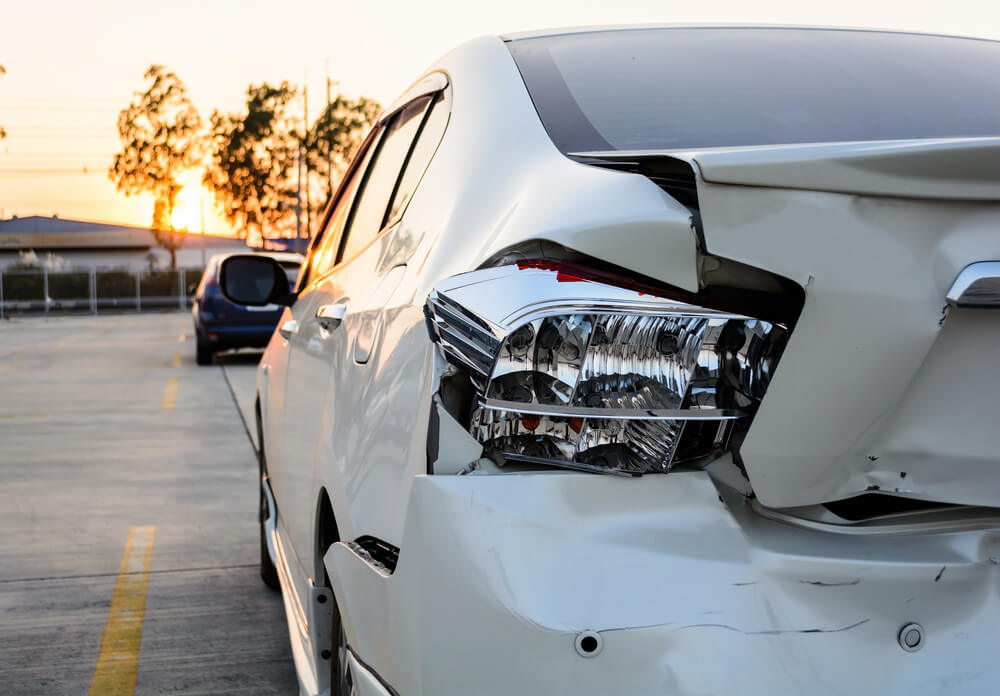
Whether a collision was “minor” does not always dictate your legal needs. If you were injured, have lost income, suffered property damage, or have experienced any psychological or emotional pain and suffering, you are legally entitled to financial compensation to offset your losses – even if these losses occurred due to a fender bender.
Regardless of the severity of your accident, it’s essential to seek medical attention and legal advice to protect your rights, as injuries or damages may not be immediately evident.
Furthermore, there are often numerous parties involved in a seemingly minor car accident claim: you, your insurance company, the other driver, his/her insurance party, and more. The claim process can be more complicated than you imagine, which is another reason to consult with our St. Louis car crash attorneys.
When You Might Not Need a Car Accident Attorney for a Minor Collision
If the accident resulted in no injuries and was simple and straightforward, with clear liability and no dispute over who was at fault, you may be able to resolve the matter without legal assistance.
In cases where the damage to your vehicle is minimal and can be easily fixed, it may not be worth the time and expense of hiring an attorney. If the insurance company is cooperative and offers a fair settlement for repairs, you can proceed with confidence and avoid the hassle of involving legal professionals.
However, it’s important to remember that even minor collisions can have unforeseen consequences. In some cases, injuries or symptoms may not be immediately apparent, and it’s important to seek medical attention if you experience any discomfort following the accident. Additionally, if the insurance company becomes uncooperative or denies your claim, it may be necessary to involve an attorney to protect your rights and ensure you receive the compensation you deserve.
When You Need a Car Accident Attorney for a Minor Collision
Here are four signs that you should definitely seek legal representation after a minor collision.
You Have Signs of Possible Injuries
Even if you feel fine immediately after the accident, it’s important to pay attention to any delayed symptoms that may arise. Some injuries, such as whiplash or soft tissue damage, may not be apparent right away. If you notice any pain, stiffness, or difficulty in movement in the days following the accident, get medical care and consult a car accident attorney.
The Other Driver Denies Fault Right Away
Sometimes, the other driver involved in the collision may refuse to accept responsibility and deny fault. This can complicate the claims process and make it difficult for you to recover the compensation you deserve, even if it seems minimal. In such cases, having a car accident attorney by your side can make a significant difference. They can gather evidence, speak with witnesses and hold the responsible driver accountable.
The Other Driver Wants to Pay You Out of Pocket
In some instances, the other driver may try to convince you to settle the matter privately outside of insurance channels. While this may seem like a convenient and hassle-free option, it’s not in your best interest. By accepting a private settlement, you may be jeopardizing your right to seek additional compensation if your injuries worsen or if the full extent of the damage to your vehicle is more than you thought. Consulting an experienced car accident attorney can help you assess the true value of your claim and protect your legal rights throughout the process.
The Insurance Company Calls With a Low Offer
Insurance companies are known for their tactics to minimize payouts to accident victims. If the insurance company reaches out to you with a low settlement offer, it’s a clear sign that they are not taking your claim seriously. Accepting a low offer can leave you financially vulnerable and unable to cover medical expenses and repair costs adequately. Working with a car accident attorney ensures that you have someone on your side who understands the value of your claim and will fight for the compensation you truly deserve.
What to Do After a Minor Car Accident
Move to a safe location and check for injuries
The first thing to do after any accident is to make sure that everyone involved is safe.
Do the following:
- After an accident, it’s normal to feel scared or upset. Take deep breaths to help calm yourself. Staying calm will help you think clearly and handle the situation better.
- Look over your body to see if you have any cuts, bruises, or other injuries. Sometimes, you feel okay but might be in shock, which can hide injuries.
- Look around to see if anyone else in the accident is hurt. If someone is injured, try to comfort them and avoid moving them unless there is immediate danger, like a fire.
- If the accident is minor and your car can be moved, drive it to the side of the road or a nearby parking lot. This helps prevent further accidents and keeps traffic flowing smoothly.
- Switch on your hazard lights to signal to other drivers that there has been an accident. This warns them to be cautious and can help prevent more accidents.
- Even if the accident seems minor, call emergency services. They can provide medical assistance if needed and help manage the accident scene.
- Share your name, contact information and insurance details with the other drivers. Also, note down the make, model and license plate number of their vehicle.
- Take pictures of the accident scene, including any damage to the vehicles and the surrounding area. This can be helpful for insurance claims and legal purposes.
- Do not leave the accident scene until authorities arrive or you have exchanged all necessary information. Leaving too soon can lead to legal trouble.
Always prioritize everyone’s well-being over your vehicle.
Exchange information with the other drivers involved in the collision
After making sure everyone is safe, the next step is to talk to the other driver or drivers involved in the accident.
- Which information should you share?Full names and contact information
- Insurance company and policy number
- Driver’s license and license plate numbers
- Type, color and model of vehicle
- Location of accident
Use your phone to take pictures of the other driver’s information. This way, you won’t lose it or write it down wrong.
Call the police
After a car accident, calling the police is often a crucial step.
Here’s why it’s important and what to expect:
- Police officers can secure the accident scene, preventing further accidents or injuries.
- The police will create an accident report, which is a valuable document for insurance claims and potential legal proceedings.
- Officers can gather statements from all involved parties and witnesses, providing an unbiased account of the incident.
- In many places, it’s legally required to call the police for accidents involving injuries or significant property damage.
- If the accident is blocking traffic, police can help direct vehicles and restore normal traffic flow.
- Officers can help ensure that all necessary information is exchanged between parties involved in the accident.
When calling the police:
- Dial 911 for emergencies or your local non-emergency police number for minor accidents.
- Provide clear information about your location and the nature of the accident.
- Stay calm and follow the dispatcher’s instructions.
- Don’t move vehicles unless instructed to do so or if they pose an immediate safety hazard.
Even if the accident seems minor, having a police report can be beneficial. It provides an official record of the incident, which can be invaluable when dealing with insurance companies or if legal issues arise later.
Notify your insurance company (you can have your attorney handle this)
After the accident, tell your insurance company what happened. Many insurance policies require you to report accidents right away.
When you call your insurance company:
- Give them the basic facts about the accident
- Share the information you collected from the other driver
- Ask about your coverage and what steps to take next
If you have a lawyer, they can talk to the insurance company for you. This can be helpful because lawyers know how to deal with insurance companies and protect your rights.
What is considered a minor car accident?
Before we dive into what to do, let’s talk about what a minor car accident is. A minor car accident usually means:
- No one is badly hurt
- The cars can still be driven
- There’s not much damage to the cars
- No big traffic problems
Some examples of minor accidents are:
- Bumping into another car in a parking lot
- Hitting a mailbox or a fence
- Sliding into another car on a slippery road
Even if an accident seems small, it’s still important to handle it the right way.
Do I have to call the police after a minor car accident?
The requirement to call the police after a minor car accident can vary depending on your location and the specific circumstances of the incident.
Here’s a general guide:
- Check local laws: Some states or cities require you to call the police for any accident, regardless of severity. Others only require police involvement for accidents with injuries or significant property damage.
- Injuries: If anyone is hurt, even slightly, it’s usually best (and often required) to call the police.
- Property damage: If there’s significant damage to vehicles or other property, calling the police is typically necessary. The definition of “significant” can vary, but it’s often set at a specific dollar amount (e.g., $500 or $1000).
- Disagreements: If there’s any dispute about what happened or who’s at fault, calling the police can help establish an official record.
- Uncooperative parties: If the other driver refuses to share insurance information or seems impaired, it’s wise to involve the police.
- Hit and run: Always call the police if the other driver leaves the scene without stopping.
- Public property: Accidents on public property or involving government vehicles usually require police notification.
Even if it’s not legally required, calling the police after a minor accident can be beneficial:
- It creates an official record of the incident.
- It can help prevent future disputes about what happened.
- Some insurance companies prefer or require a police report for claims.
If you’re unsure whether to call the police, it’s generally safer to err on the side of caution and make the call. You can also contact your insurance provider for guidance on your specific situation.
Common Mistakes After a Minor Car Accident
The term “minor car accident” really is a misnomer. If any losses occurred, then it was
indeed a serious accident. Here are some common mistakes we see people making after so-called minor car accidents:
Admitting fault
Out of some social obligation, some drivers who either were or were not at fault will
get out of their cars and walk over to the other driver and apologize. If you weren’t at fault, why imply that you
were? Even if the crash was your fault, don’t say anything until you’ve spoken to a lawyer. Insurance companies will
use anything against you, including what you perceive as a gesture of kindness.
Not calling 911
Car accidents always need to be reported in Missouri. By calling 911, the
dispatcher can ask you the necessary questions to determine what you need and how to proceed. At the very minimum,
have the record of the 911 call being made. If anyone is potentially hurt, calling 911 is also the fastest way to
get EMTs out to examine everyone as well. It’s important to mention that leaving the scene of any car accident is
illegal and a legal mistake to boot. Don’t forget that police can be witnesses and can write a thorough report of
the collision. On the other hand, always review the police report as soon as possible and notify the police of any
discrepancies you notice right away.
Not gathering evidence from the scene.
After a relatively minor crash, your injuries might allow you to gather evidence following the accident. However,
again, out of a misguided sense of politeness, some drivers fail to take pictures and videos at the scene of the
accident. Get the driver’s information. Secure the insurance information. Get the vehicle’s information. Document not
just the damage to the vehicles but injuries (or lack thereof), skidmarks, roadway conditions, lighting, weather,
and anything else you see of interest. It can help you down the road.
Not following up with your doctor.
Many injuries do not immediately manifest at the scene of a car accident. It’s not
uncommon for an injury like whiplash, for example, to not become evident until hours later or even the next day.
Always get checked out by a medical professional after an accident, and, even more importantly, follow up with your
physician’s recommendations. If they recommend x-rays or a neck collar, then be sure to follow through.
Trying to settle your case alone.
Attempting to settle a car accident claim without professional assistance poses
significant risks for individuals navigating the complexities of insurance negotiations and legal processes. Here’s
why seeking legal representation is essential:
- Inadequate assessment of damages: Without legal expertise, individuals may undervalue their claim, failing to
account for future medical expenses, lost wages, or non-economic damages like pain and suffering. - Unfair settlement offers: Insurance companies often aim to minimize payouts. Individuals without legal representation may accept settlements that fall short of the actual damages incurred, leaving them financially burdened.
- Lack of legal strategy: Attorneys can develop effective legal strategies, leveraging their knowledge of
personal injury law to strengthen a case. Going it alone may result in a weaker position during negotiations or potential litigation. - Complex documentation: Collecting and presenting the necessary evidence for a car accident claim can be
intricate. Missing crucial documentation may weaken a case, hindering the chances of a fair settlement. - Legal pitfalls: Without legal guidance, individuals may inadvertently make statements that insurance companies can exploit to minimize liability. Attorneys help clients navigate these pitfalls, ensuring they don’t unintentionally harm their case.
- Limited understanding of legal procedures: The legal process can be convoluted, involving various deadlines, paperwork, and court proceedings. Without legal representation, individuals may find themselves overwhelmed and susceptible to procedural errors.
- Pressure from insurance companies: Insurers may employ tactics to pressure claimants into quick, low-value
settlements. Attorneys act as buffers, handling negotiations and shielding individuals from coercive tactics. - Challenges in liability determination: Establishing fault in a car accident is crucial for claiming compensation.
Individuals may struggle to prove liability without legal assistance, jeopardizing their chances of a
favorable outcome.
The risks of trying to settle a car accident claim alone include undervalued
settlements, vulnerability to insurance company tactics, and inadequate legal strategies. Seeking professional
representation ensures a fair assessment of damages, protection from legal pitfalls, and a stronger position
throughout the claims process.
You Have Nothing to Lose by Consulting an Attorney
Hiring a car accident lawyer is typically free for injury victims. Our car accident
attorneys work on a contingency fee basis, meaning we only get paid if they secure a settlement or win the case in
court. This arrangement allows accident victims to access legal representation without upfront costs, making it an
accessible option for those seeking compensation for their injuries and damages, even after a seemingly minor
crash.
Get a St. Louis Car Accident Lawyer in Your Corner Now
If you were involved in a minor car accident and suffered any injuries and losses,
Burger Law can assist you in learning your rights and assessing your case. Having the right legal representation can
often increase your settlement to cover all your past and future losses. Our fees come directly from your
settlement, and you pay nothing if we don’t win.
Call our St. Louis car accident attorneys at 314-500-HURT (4878) or use our online
contact form to set up your free case evaluation.
