








What Are the Two Collisions That Happen in a Crash?
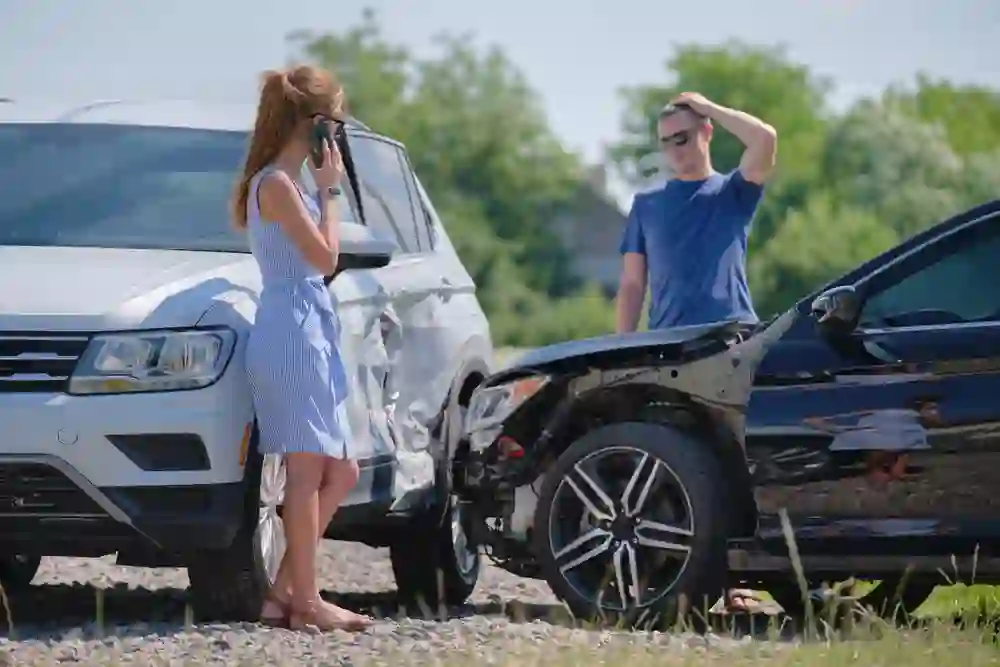
When a car accident occurs, most people think of it as a single event. However, the reality is far more complex. You might be asking yourself: What are the two collisions that happen in a crash? Understanding these collisions is essential because they significantly impact the injuries you may sustain and the compensation you can recover. At Burger Law, we’re here to help St. Louis residents navigate the aftermath of car accidents and secure the justice they deserve.
Get a Free Consultation
We offer free consultations and are available 24/7 to take your call. Live chat, text, and virtual meetings are available.
How Many Collisions Happen in Most Crashes?
In every car incident, there are typically multiple collisions that occur almost simultaneously. While it may seem like only the car strikes an object, the truth is there are two primary collisions that take place during a crash, along with a third internal collision that happens inside the body. Each one affects victims differently and can lead to serious, often life-changing injuries.
The Two Collisions Explained
The first collision, known as the vehicle collision, happens when the car physically strikes another vehicle, object, or barrier. The second one, or the human collision, occurs when the occupants inside the car make contact with parts of the vehicle, such as the dashboard, windshield, or seatbelt. Let’s explore each of these in more detail.
“I’ve devoted my life to ensuring our clients get full injury compensation.”

Gary Burger
Litigation Attorney
Vehicle Collision
The vehicle collision refers to the first impact in an accident, where a car strikes an external object such as another vehicle, a tree, or a barrier. This collision is the most visible and destructive, damaging the car and generating the force that leads to subsequent collisions.
The severity of this collision depends on factors such as speed, angle of impact, and the type of vehicles involved. According to the Car Crash Force Calculator, even at speeds as low as 30 mph, the force exerted during a crash can exceed tens of thousands of pounds, illustrating how even low-speed accidents can lead to significant damage and harm.
Injuries Caused by a Vehicle Collision
The injuries resulting from a vehicle collision can range from minor to serious. Some of the most frequent include:
- Whiplash: Caused by the sudden jerking motion of the head and neck.
- Lacerations: Generally caused by broken glass or flying debris.
- Fractures and sprains: Resulting from the sheer force of the impact on the body.
While safety features such as airbags and crumple zones reduce some of the damage caused by this collision, the vehicle impact alone can still cause severe physical harm.
[wdac-youtube id=”msrHE-XecMY”]
The Human Collision
After the initial vehicle collision, the human collision occurs. This is the moment when the driver or passengers continue moving at the vehicle’s pre-crash speed and collide with parts of the car, such as the seatbelt, dashboard, windshield, or airbag. Although it happens immediately after the first impact, this is distinct and usually causes the most serious injuries.
Crash reports from the Massachusetts Crash Report highlight how the forces exerted during the human collision can be severe, as the human body is not designed to withstand such rapid deceleration. This collision frequently results in significant trauma to the head, chest, and extremities.
Injuries Caused by a Human Collision
The damages caused by the human collision are typically more severe than those from the vehicle collision and can include:
- Traumatic brain injuries (TBI): Resulting from the head striking the dashboard or windshield.
- Chest injuries: Such as fractured ribs or lung damage caused by the force of the body against the seatbelt or steering wheel.
- Abdominal trauma: From internal organs colliding with the ribcage or spine.
Internal Collision
Beyond the visible injuries caused by the human collision, there is also a third event—the internal collision. Even after the body stops moving, internal organs like the brain, heart, and lungs continue to move due to inertia. This can result in:
- Internal bleeding.
- Brain swelling or concussions.
- Damage to organs such as the liver or spleen.
Many of these injuries are not immediately visible, which is why seeking medical attention immediately after an incident is critical.
Technological Advancements in Collision Prevention
Advancements in vehicle safety technology have significantly reduced the frequency and severity of car accidents. Modern systems such as automatic emergency braking (AEB), adaptive cruise control, and lane departure warnings are designed to either prevent collisions entirely or minimize their impact. For example, AEB uses sensors to detect an impending crash and automatically applies the brakes, which can reduce rear-end collisions by up to 50%.
According to data from the My Knowledge Broker, vehicles equipped with advanced safety features have been shown to significantly lower accident rates, particularly in multi-car crashes. While these technologies provide drivers with additional layers of protection, incidents still occur due to factors such as human error, adverse weather conditions, or mechanical failures.
Legal and Medical Steps To Take After an Accident
If you’ve been involved in a car crash, taking immediate action can protect your health and your legal rights. Here’s what to do:
- Seek medical attention: Even if you feel fine, get checked by a medical professional to detect hidden injuries.
- Call law enforcement: A police report serves as valuable evidence for your case.
- Document the accident: Take photos of the scene, vehicle damage, and visible injuries.
- Contact a lawyer: An experienced personal injury attorney can help you manage the legal process and negotiate with insurance companies on your behalf.
At Burger Law, we guide our clients through each of these steps to guarantee they receive the best possible outcome.
Possible Damages You Can Recover in a Car Crash
If someone else’s negligence caused your accident, you might be entitled to compensation for various damages, including:
- Medical expenses: Covers hospital stays, surgeries, medications, and ongoing treatment.
- Lost wages: Reimbursement for time missed from work due to your injuries.
- Pain and suffering: Compensation for the physical and emotional toll of the accident.
- Property damage: Repairs or replacement for your vehicle and other belongings damaged in the crash.
Get a Free Consultation with a Car Accident Lawyer
Understanding what are the two collisions that happen in a crash is fundamental for knowing your rights and responsibilities after an accident. At Burger Law, we’re committed to helping St. Louis residents recover physically, emotionally, and financially. Contact us or call at [dynamic-phone-number] today for a free consultation if you’ve been injured in a car crash. Let us fight for the compensation you deserve so you can focus on healing.
