








What Is Considered a Commercial Vehicle?
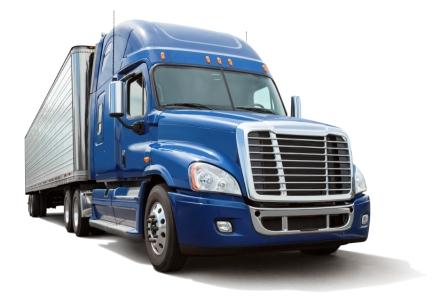
The definition of a commercial vehicle matters when you are in an accident. In Illinois, a commercial vehicle is generally any automobile used for business, but that is not all. Learn more about the factors that make a car, van, or truck a commercial vehicle and keep reading. You would discover why it matters to your personal injury claim and more.
The Vehicle’s Weight and Passenger Capacity are Fundamental
There are a number of vehicles that are typically considered “commercial” including tractor-trailers, delivery vans, and city buses, but there is more to learn here. The automobile’s Gross Vehicle Weight Rating (GVWR) has a lot to do with this classification. Specifically, vehicles with a GVWR of 10,001 pounds or more are considered commercial. Any rig with a Gross Combination Weight Rating (GCWR) of 26,001 pounds or more, like semi-trucks, falls into this category, as well.
Passenger capacity is also a factor. Buses and vans that transport nine or more people (including the driver) for compensation count as commercial vehicles. However, even if compensation is not a factor, such as a church bus that transports 16 or more people (including the driver) also are included in this designation.
Business Use Is Essential to the “Commercial” Label
In order for a vehicle to be considered commercial, the vehicle must typically be used for work-related purposes. This may include visiting clients, running errands, or transporting tools beyond a standard daily commute. For example, delivery trucks, taxis, limos, food trucks, construction vehicles, and any vehicle transporting hazardous materials would likely be considered commercial. This usage often requires placarding or a special insurance endorsement, as personal policies typically exclude coverage for commercial (a.k.a. income-generating) activities.
Why It Matters if You Were in an Accident With a Commercial Vehicle
Operators are required to carry much higher insurance limits than personal vehicles, which can lead to higher compensation for damages. These incidents typically involve complex liability with multiple parties. Responsibility for the collision may lie with the driver, the employer, maintenance contractors, or even shipping companies, rather than just a single motorist.
Commercial vehicles are governed by strict Illinois state laws and Federal Motor Carrier Safety Administration regulations. Breaches of these rules, such as hours-of-service violations, could be central to proving negligence. These regulations are a good thing, as these cases often cause more severe injuries, requiring a legal investigation into driver logs, maintenance records, and company negligence.
Let Us Discuss Your Accident with a Commercial Vehicle
Our team could help you better understand what is considered a commercial vehicle. If you were injured in a collision with a semi-truck or similar vehicle, it is imperative that you reach out to our office today to set up a time to speak with a member of our team. Learn more about our winning results and your legal options with a quick phone call.
